
Top 10 Collectible Air-Cooled Porsche 911s
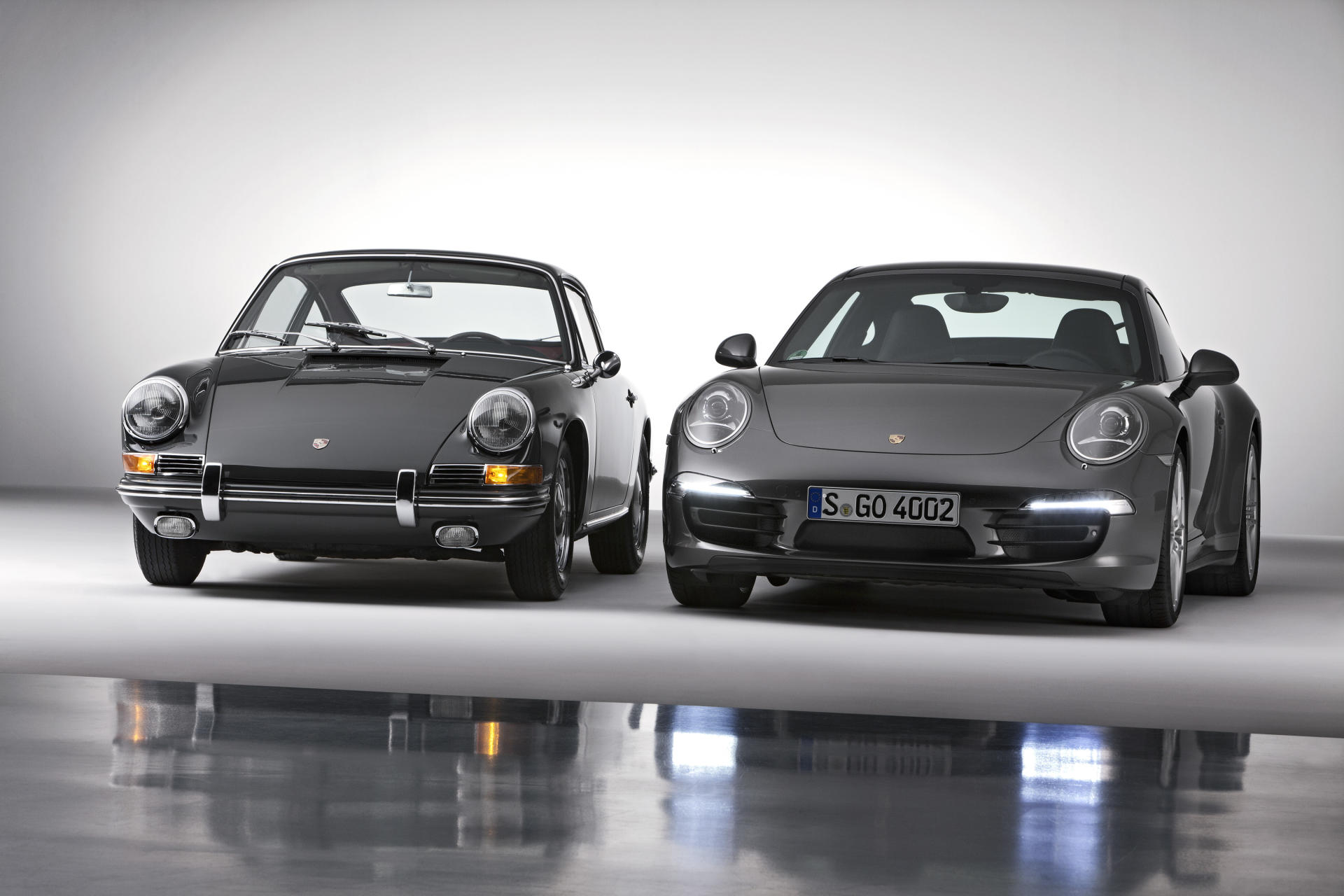
The Porsche 911 has undergone innumerable changes since it first appeared at the Frankfurt Motor Show in September 1963.
Its rough silhouette may have remained similar, but in size, weight, power, performance and technology the latest 992.2 generation is almost unrecognisable compared to the petite original.
Despite the radical changes, the 911 remains arguably the world’s benchmark sports car, but for many it’s the original air-cooled models that still have the strongest appeal thanks to their raw connection and throaty soundtrack.
While all offer a special experience, some stand out in terms of their collectability. There are some extraordinarily rare variants on our top 10 list, while others are more common, but all deserve their place in an air-cooled collection.
Please note that while they are technically air-cooled, including turbocharged variants would’ve left some very important cars on the cutting room floor, so we’ll save these equally important cars for another time.
1964 Porsche 901
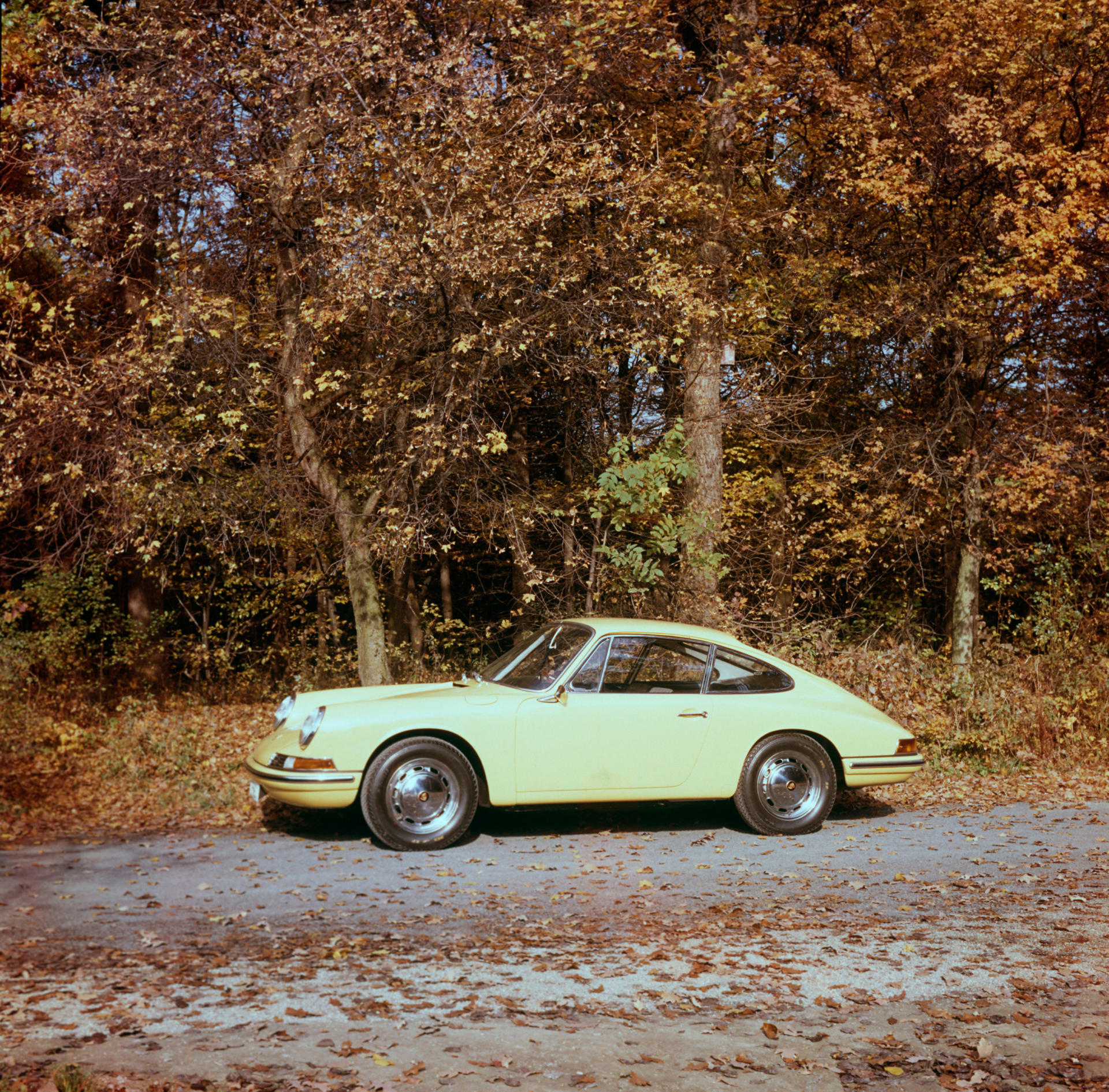
With any collection you need to have the first of the kind and really any O-Series (1964-67) 911 is worthy, but if we had to choose one, it wouldn’t be a 911 at all.
Initially, Porsche’s new sports car was called the 901, until Peugeot protested on the basis it had exclusive rights in France to sell cars with three-digit names and a zero in the middle. Thus, the 901 became the 911.
However, 82 cars escaped the factory before the name was changed and thus are not only important for their rarity, but because they are the very earliest examples of what would become an icon.
1967 Porsche 911 R
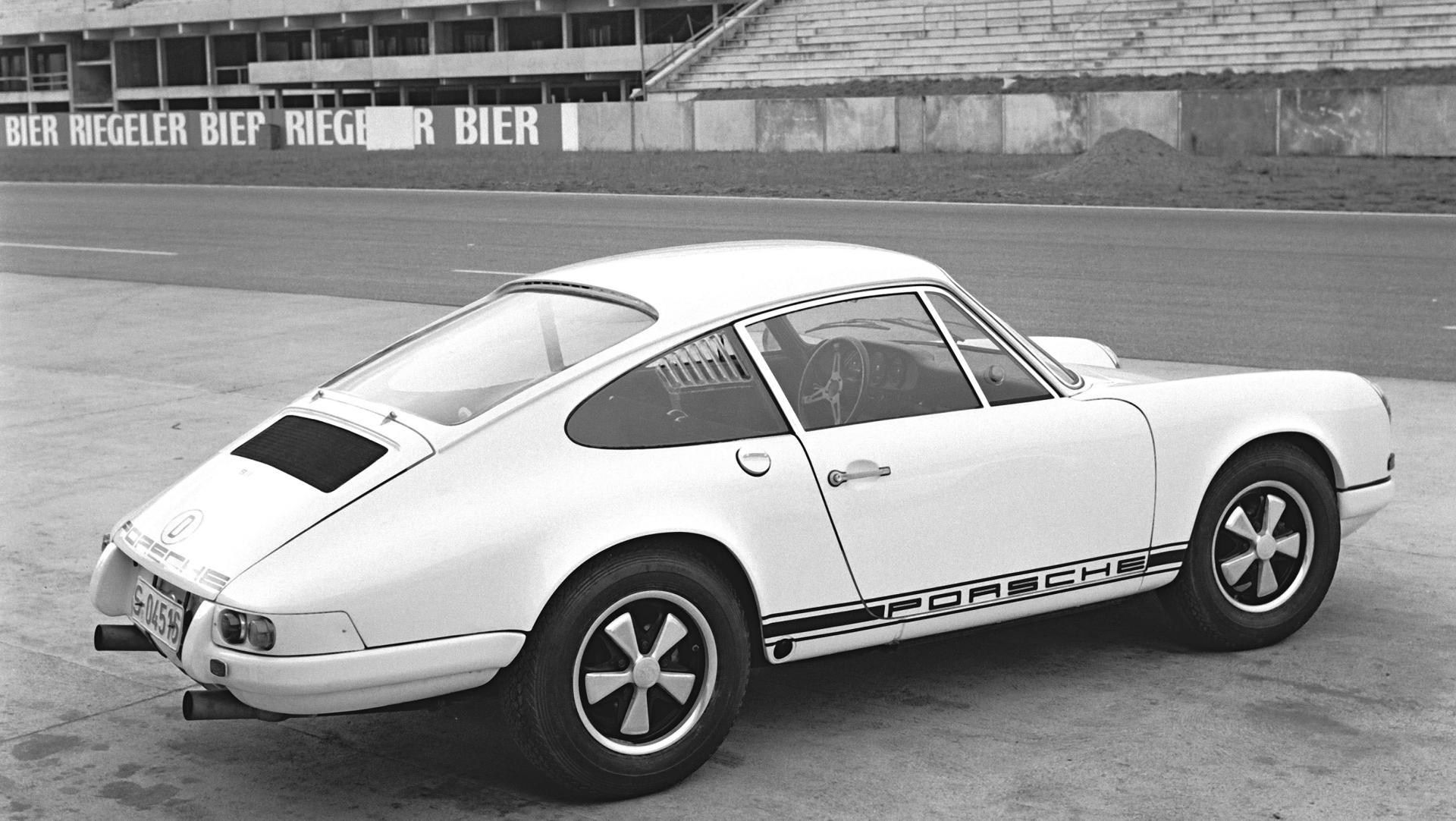
This is one for the very rarified Porsche collector, but its rarity and provenance make it arguably the pinnacle of any 911 collection. Just 23 911 Rs were built – four prototypes and 19 production cars, of which four were retained by the factory – designed to be the ultimate competition car in terms of power-to-weight.
The bonnet, front guards, doors and bumpers were made of glass fibre-reinforced polymer, the windows were thinner and the interior stripped to the basics to reduce weight to just 800kg, 230kg less than a standard 911.
Combined with a race-spec 2.0-litre flat-six engine producing 153kW (210hp) at 8000rpm, performance was staggering for the time, with 0-100km/h taking 5.9sec and a 245km/h top speed depending on the gearing fitted.
With such limited build numbers, it was forced to compete in the prototype class against even more specialised machinery but nevertheless garnered plenty of success in a short but glittering motorsport career.
1969 Porsche 911 S
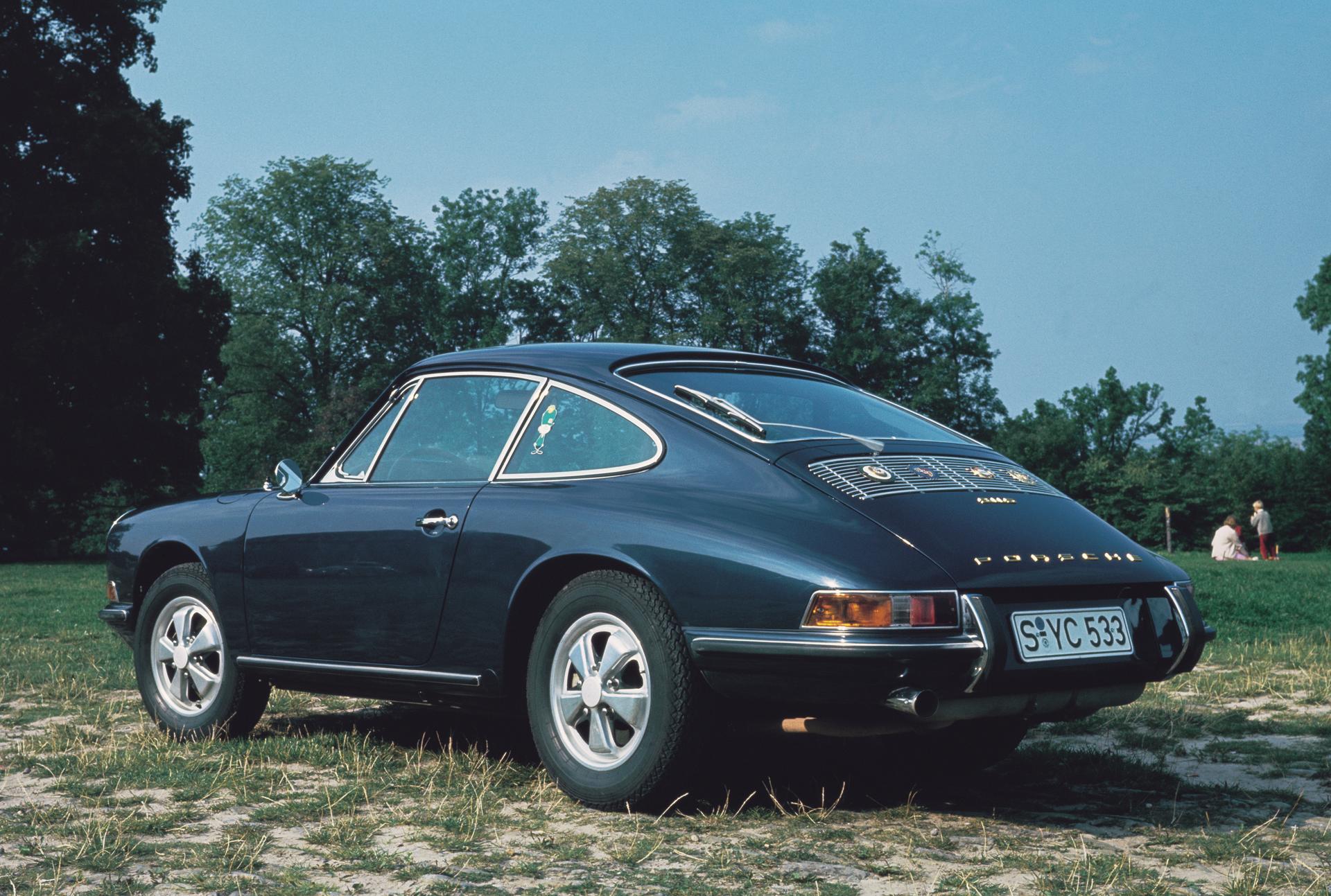
In 1967 Porsche introduced the 911 S with a more powerful (118kW vs 96kW) engine, giving this new breed of sports car even sharper teeth. Bigger changes occurred in 1969, with a 57mm wheelbase stretch aimed at calming the 911’s capricious rear-engined handling.
There’s an element of exaggeration to this reputation, as anyone who’s witnessed gaggles of early short wheelbase 911s gracefully dancing around Goodwood or Spa (admittedly in expert hands) can attest, but with the calmer handling came more power.
The addition of Kugelfischer/Bosch mechanical fuel injection and six throttle bodies increased power further to 125kW while the Fuchs-style wheels of the 911 R also became an option.
1972 Porsche 911 Carrera RS 2.7
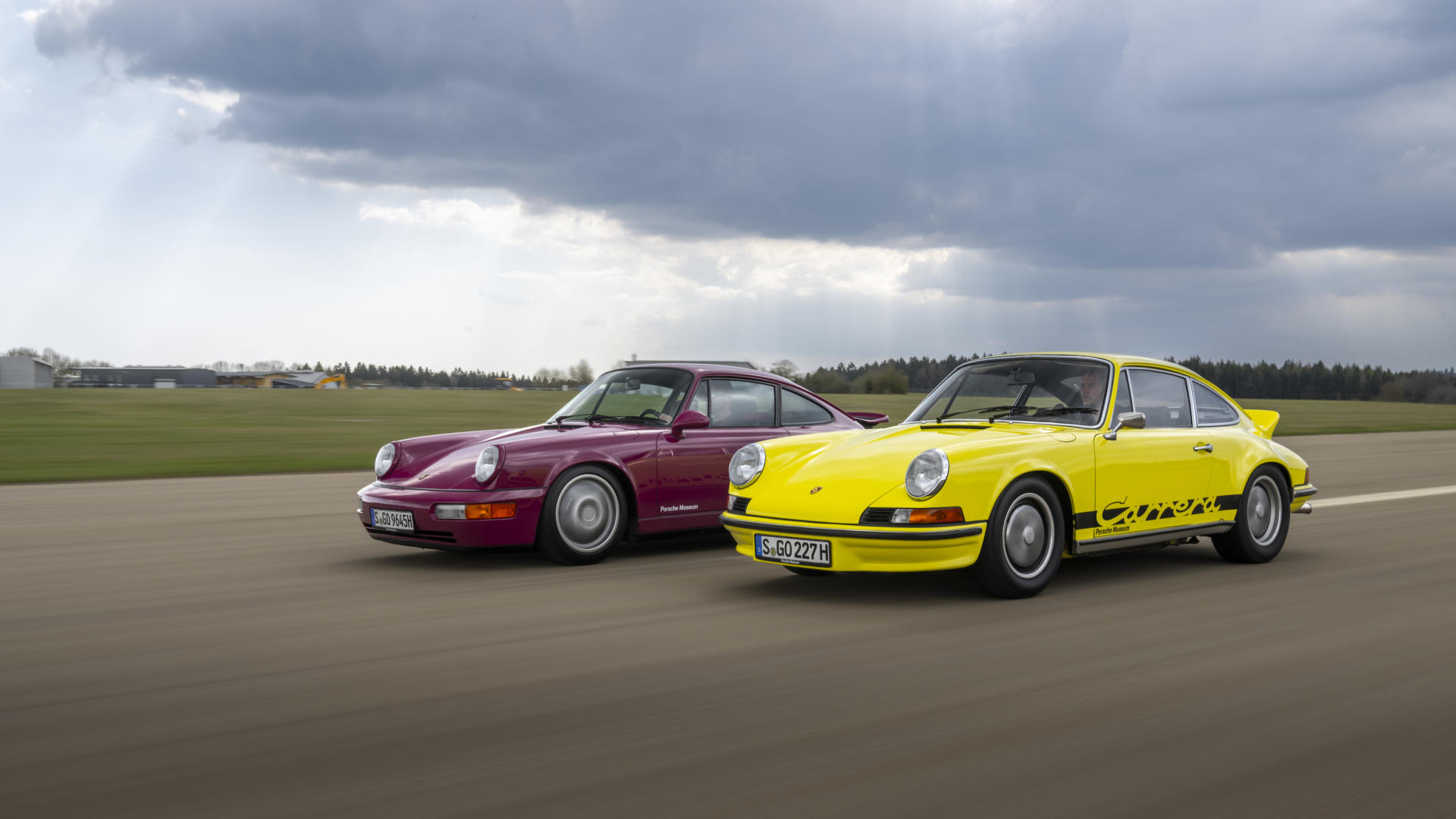
In the early days of Porsche only the most hallowed of models had the Carrera name bestowed on them, in honour of the incredibly long and demanding (and dangerous) Carrera PanAmericana road race that crossed Mexico from north to south.
So, when the name was to be applied to the 911 for the first time, it had to be something special. And it was. Designed to homologate the model for Group 4 GT racing, Porsche planned to build 500 of the Carrera 2.7 RS, but having debuted at the start of October 1972, by the end of November all these were accounted for.
In the end, 1580 were built, all with wider wheels and bodywork, front and rear spoilers, firmer suspension and a 153kW/255Nm engine. Two hundred of these were lightweight Sports models, that shed basically all creature comforts as well as 115kg compared to the Tourings, dropping the 0-100km/h time by 0.5sec to 5.8sec.
1974 Porsche 911 Carrera RS 3.0
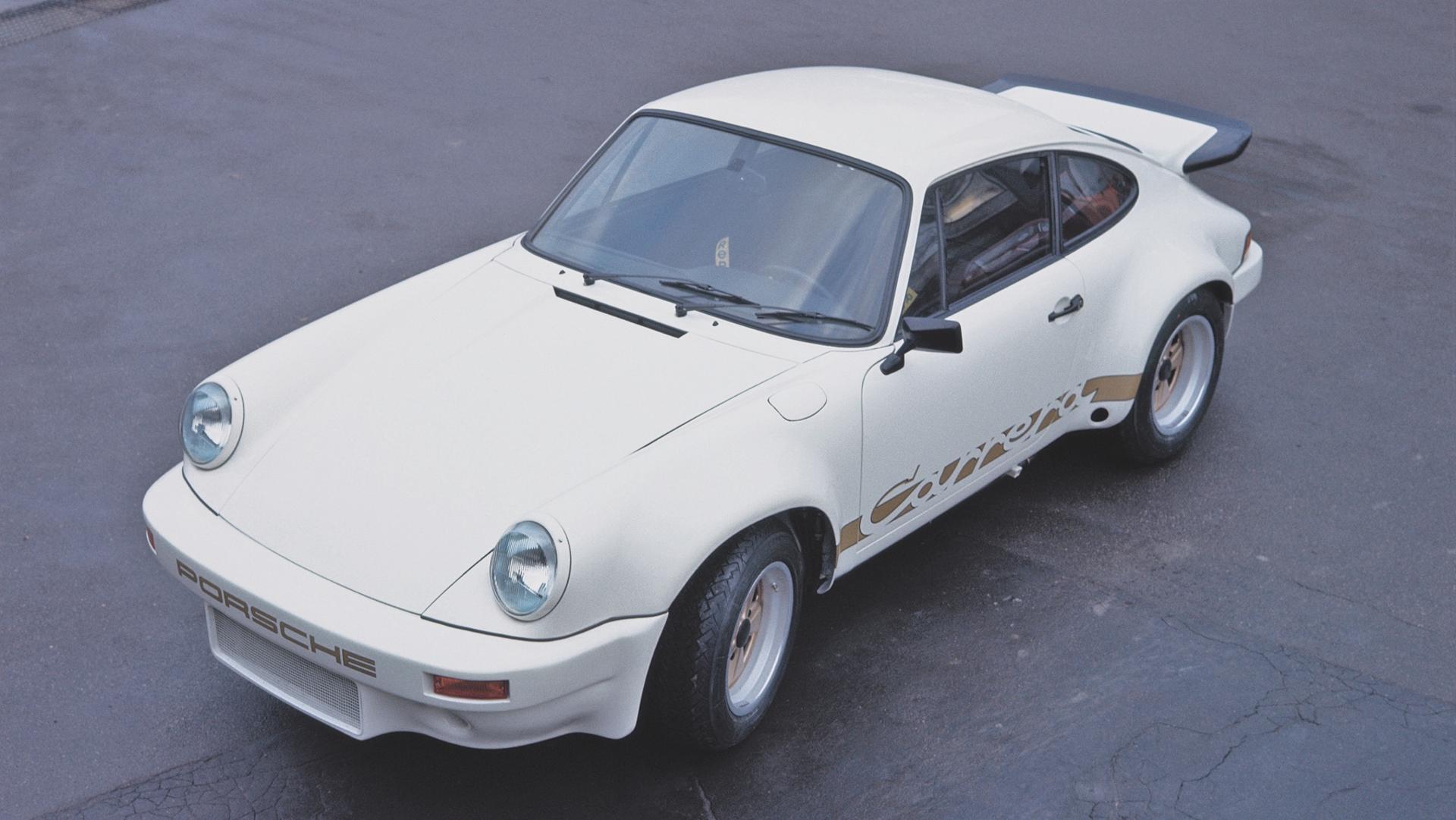
The Carrera RS 2.7 is a well-known fixture in any ‘Greatest 911s’ list, but its successor is even more extraordinary. Having satisfied the original homologation requirements, the Carrera RS 3.0 was an evolution variant that allowed wilder modifications to be used on track.
Even more pronounced bodywork covered wheels that were two inches wider at both ends, the engine was stronger (made from aluminium rather than magnesium) with extra oil coolers and now producing 164kW/273Nm, allowing Road & Track magazine to record a 5.2sec 0-60mph (0-97km/h) time.
The spoilers became even bigger (and two were supplied, one for the road and one for racing) and there were drilled disc brakes from the 917 Le Mans car, but just 55 were produced, and values are well into seven figures.
1987 Porsche 911 Carrera 3.2 CS
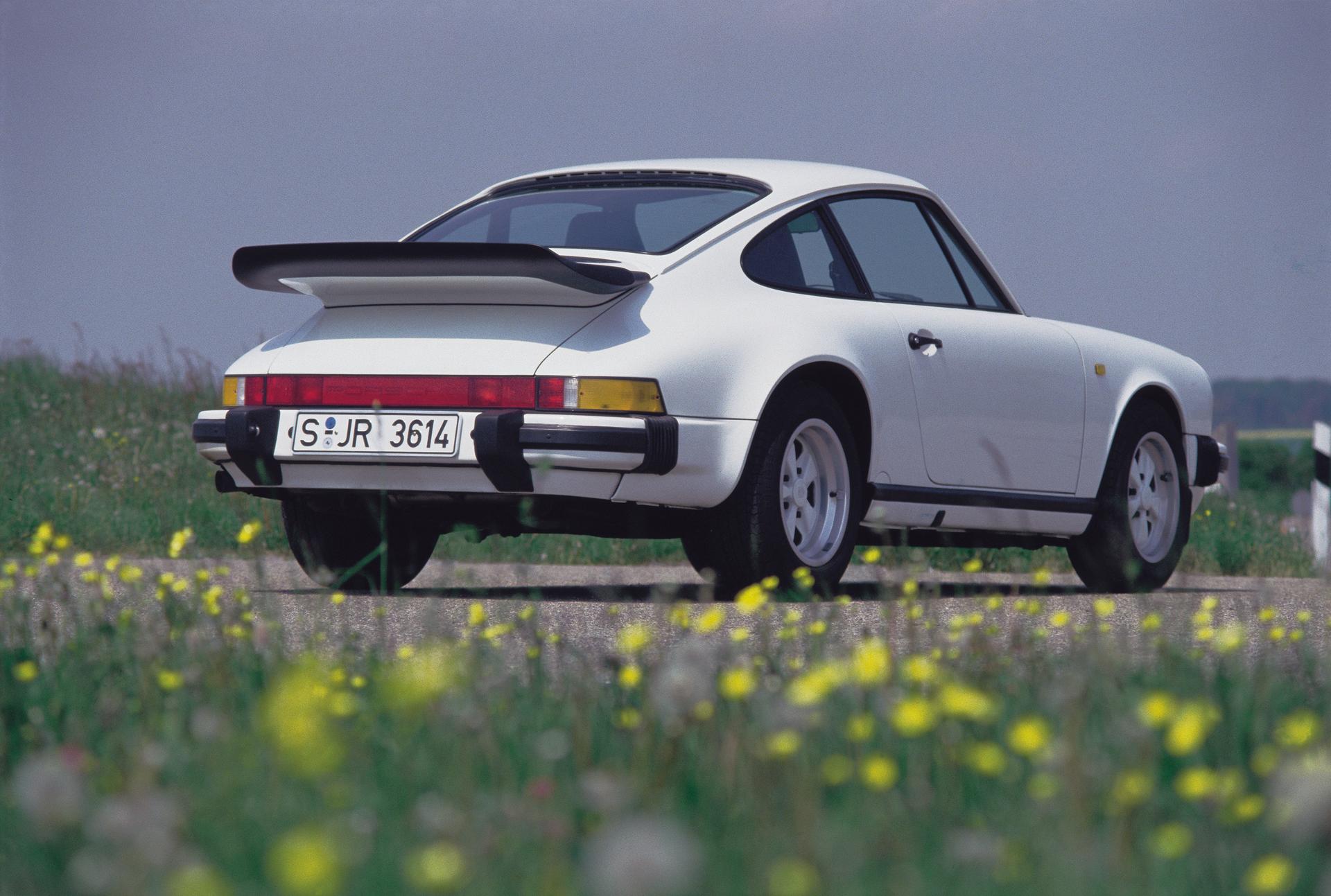
For many years, the Carrera 3.2 Club Sport was a bit of a secret, even within the 911 community. It’s a rare car, with just 340 built and 53 in right-hand drive, and those that owned them tended to hang on to them for a long time.
On paper there was little to get excited about, as it just looked like a de-kitted Carrera 3.2 and – unlike in more modern times – the price was cheaper as a result. Even the power was the same, but if you dug a little deeper there were clues the CS was something a bit special.
It was 117kg lighter, not just thanks to missing equipment but a different exhaust, simpler wiring harness, thinner carpets and an alloy spare wheel. Not only would that make the standard 172kW go further but the CS had a blueprinted engine, sodium-filled valves and a 6840rpm rev limit instead of the standard 6250rpm, so it’s safe to say there was a bit of wink-wink-nudge-nudge with that power claim.
Add in new Bilstein dampers and those that have driven both will tell you a Carrera 3.2 and a CS are indeed similar, but that the latter is just a bit better in every single way.
1989 Porsche 911 Speedster
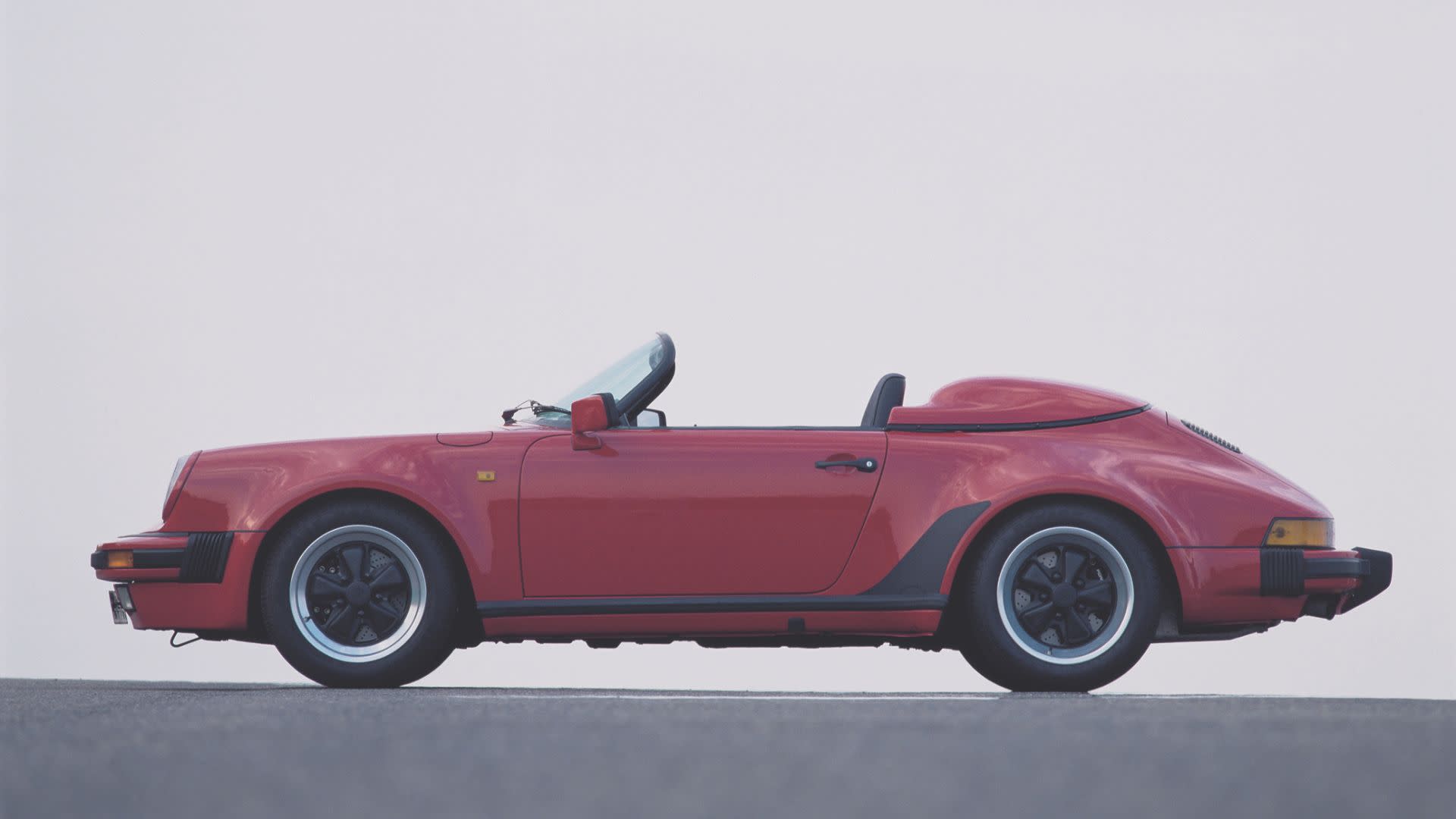
Porsche had wanted to build a 911 Speedster for a long time, to pay tribute to the original 356. The idea first started to germinate in 1983, when engineer Helmuth Bott created a prototype, but it took three years for the project to be greenlit, culminating in the 1987 911 Speedster concept that appeared at that year’s Frankfurt Motor Show.
The production model would be the final variant of the original 911 body shape and paid tribute to the 356 with a chopped windscreen and double-hump tonneau. Built only for the one year in 1989, it proved a hit with 2104 built, though only 171 of these were narrow-body models, making them the rarer collector’s piece.
More popular were the Turbo body cars, which retained the Carrera 3.2 engine but scored the wider bodywork, suspension, brakes and front bumper from the 911 Turbo. Performance was improved compared to the Cabriolet as the removal of the folding roof apparatus saved around 65kg.
1991 Porsche 911 Carrera 4 Leichtbau
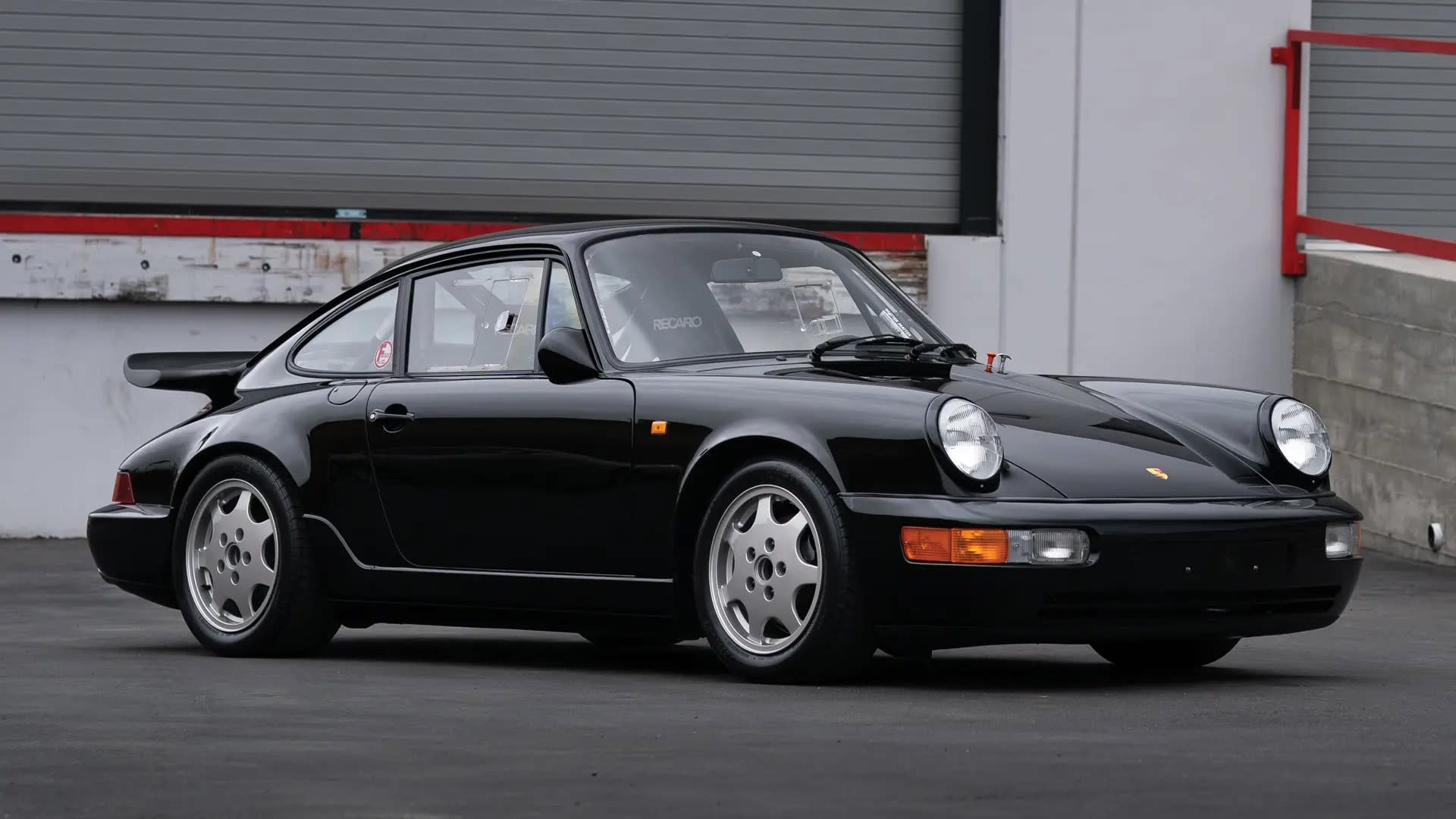
We’re firmly back in unicorn territory here, but this is a Top 10 Collectible list, not a Top 10 Attainable list. Just 22 Porsche 911 Carrera 4 Leichtbaus (Lightweight in English) were produced and it won’t be a surprise if you’ve never heard of it.
All-wheel drive was the main attraction for the all-new 964-series 911; in fact, it was the Carrera 4 that launched first. The head of Porsche’s customer motorsport department, Jürgen Barth, had visions of a one-make race series, which would come to fruition but with the rear-wheel drive Carrera.
As such, the Carrera 4 Leichtbau project was squashed, but it was a very special machine. The seam-welded bodyshell was from the Carrera RS Clubsport and with fixed plexiglass side windows keeping weight to just 1,098kg.
The engine was likewise the Carrera RS’s 3.6-litre flat-six but a less restrictive exhaust lifted power to 224kW/360Nm (up from 191kW/312Nm). As well as a competition clutch, single-mass flywheel and close-ratio five-speed gearbox, there was a driver-adjustable all-wheel drive system lifted from the 953 Paris-Dakar car, with rotary dials able to alter the front-to-rear torque split.
1992 Porsche 911 Carrera RS (964)
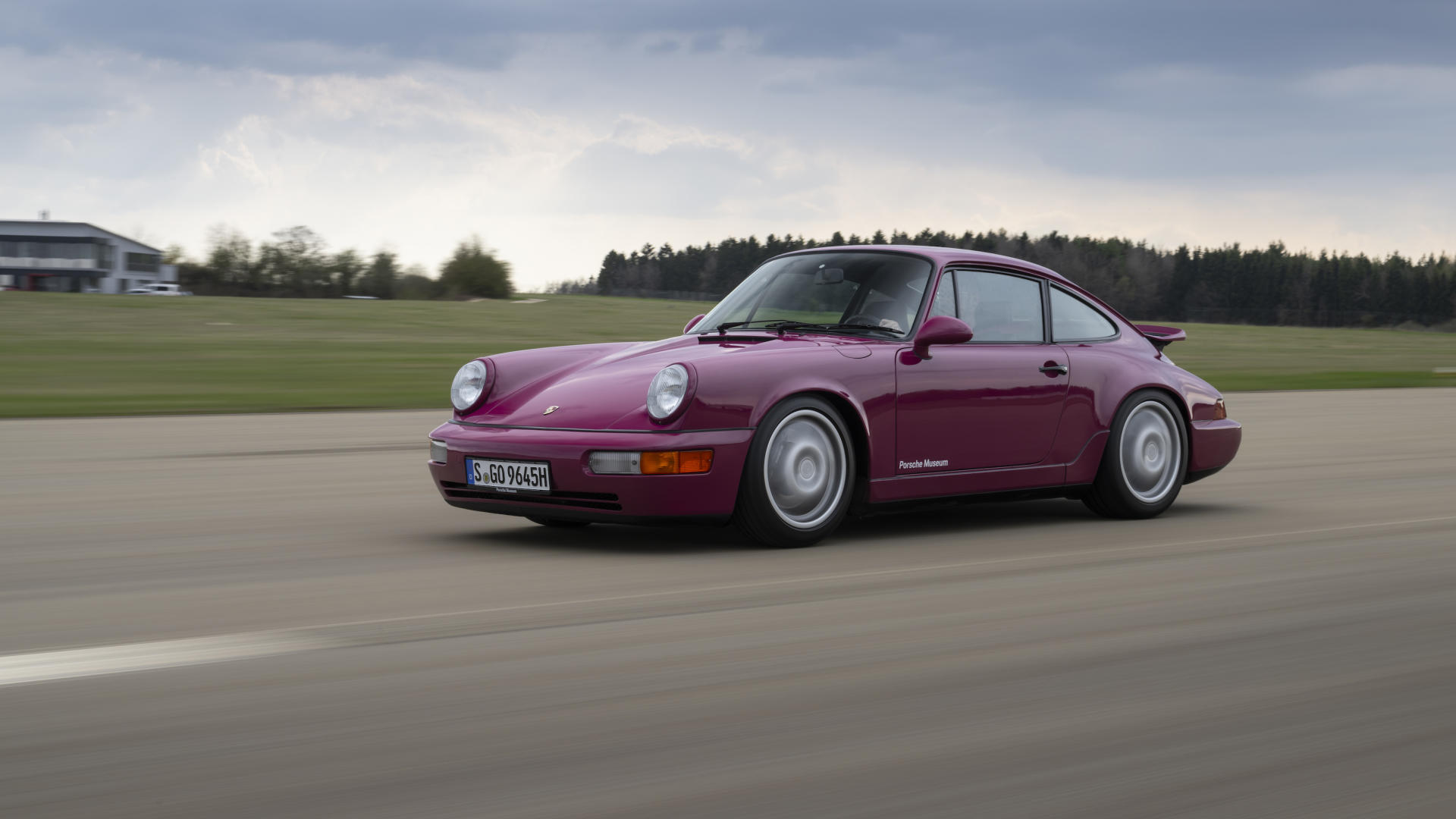
In 1990 Porsche began a new one-make racing series called the Carrera Cup, which continues to this day. Based on the Carrera 2, it had only the bare minimum modifications required for the track such as a roll cage, stiffer, lower suspension, closer gear ratios and no power steering.
In 1992 the Cup car was updated with the bodyshell from its road-going equivalent, the new Carrera RS, the first application of the name in almost two decades. Outputs increased only mildly over the standard Carrera 2 to 191kW/312Nm (+7kW/2Nm) but there was a single-mass flywheel, revised gearing, lower, stiffer suspension and a substantial diet.
A total of 2276 964 RSs were built, 1890 standard cars, 76 ‘Tourings’ with a full interior and 290 ‘Clubsports’ that were equipped for racing with the seam-welded chassis and full roll cage.
If the regular 964 RS is a bit common for you, however, a further 55 Carrera RS 3.8 examples were built with a larger 224kW/360Nm 3.8-litre engine, wider Turbo bodyshell and further lightweight measures.
1995 Porsche 911 Carrera RS (993)
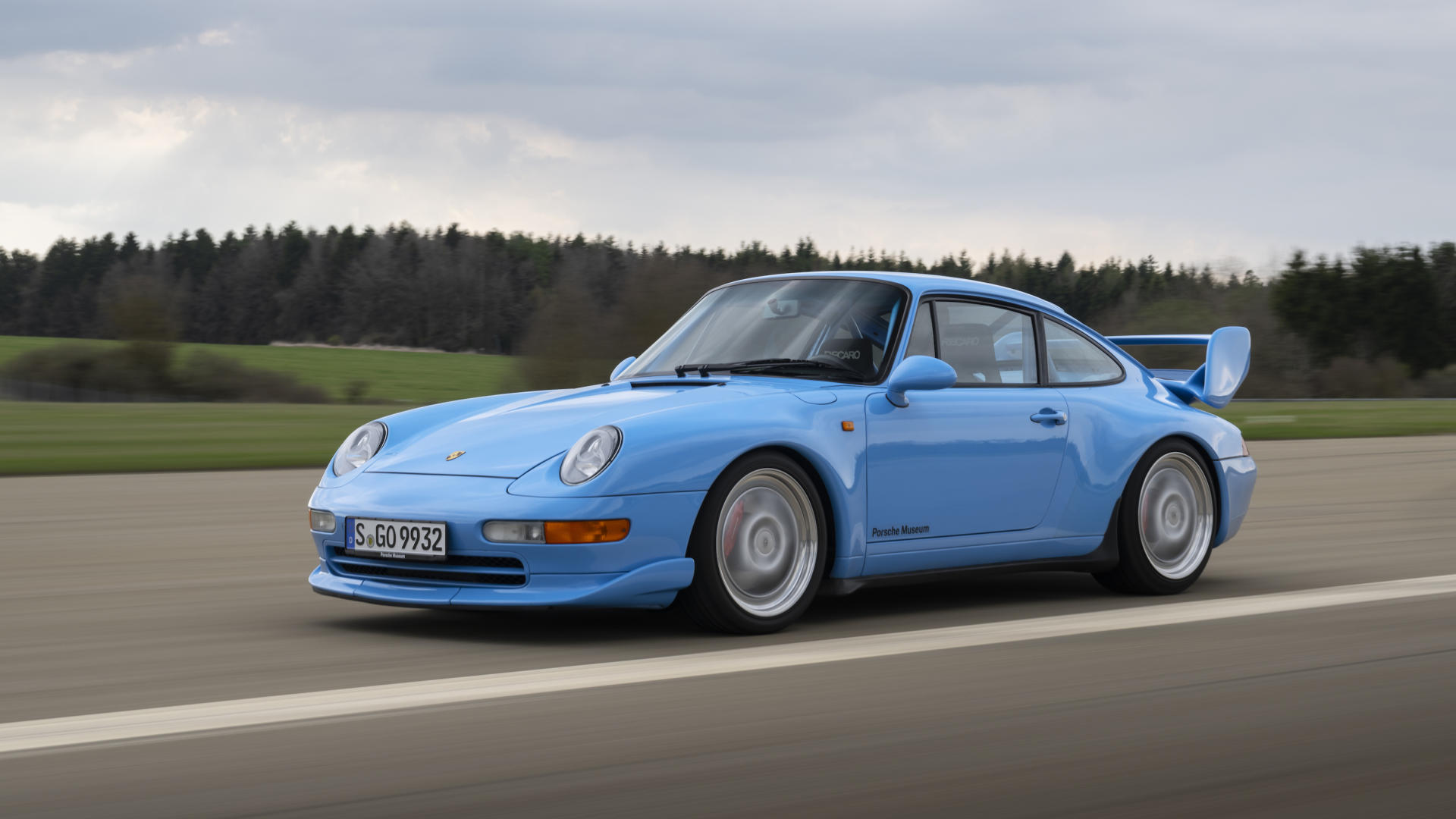
The 993-series 911 lasted just over four years before it made way for the highly controversial at the time all-new water-cooled 996. Despite the limited lifespan, Porsche packed plenty in with some of the wildest 911 variants ever.
Once again, in terms of collectability it’s the Carrera RS that stands out for its rarity and focus and the recipe remained familiar: more power, less weight, more precision. While the 911 grew in size over the years, a stripped-out, seam-welded bodyshell kept weight to 1280kg.
Larger brakes, wheels and tyres and upgraded suspension with adjustable anti-roll bars were required to control the 224kW/355Nm outputs. A Clubsport option once more deleted all creature comforts and included a roll cage, bucket seats, huge spoilers and shorter gear ratios for those who wanted to go racing (or the ultimate track day weapon).
In total 1014 were built including 227 Clubsports and to this day it is the final Carrera RS, Porsche’s hardcore 911s switching to the GT3 designation for the water-cooled era, but that’s a story for another time.
Search
